
CTC Jaipur Brings 31 Years of Craft Printed Fabric Direct to EU Buyers
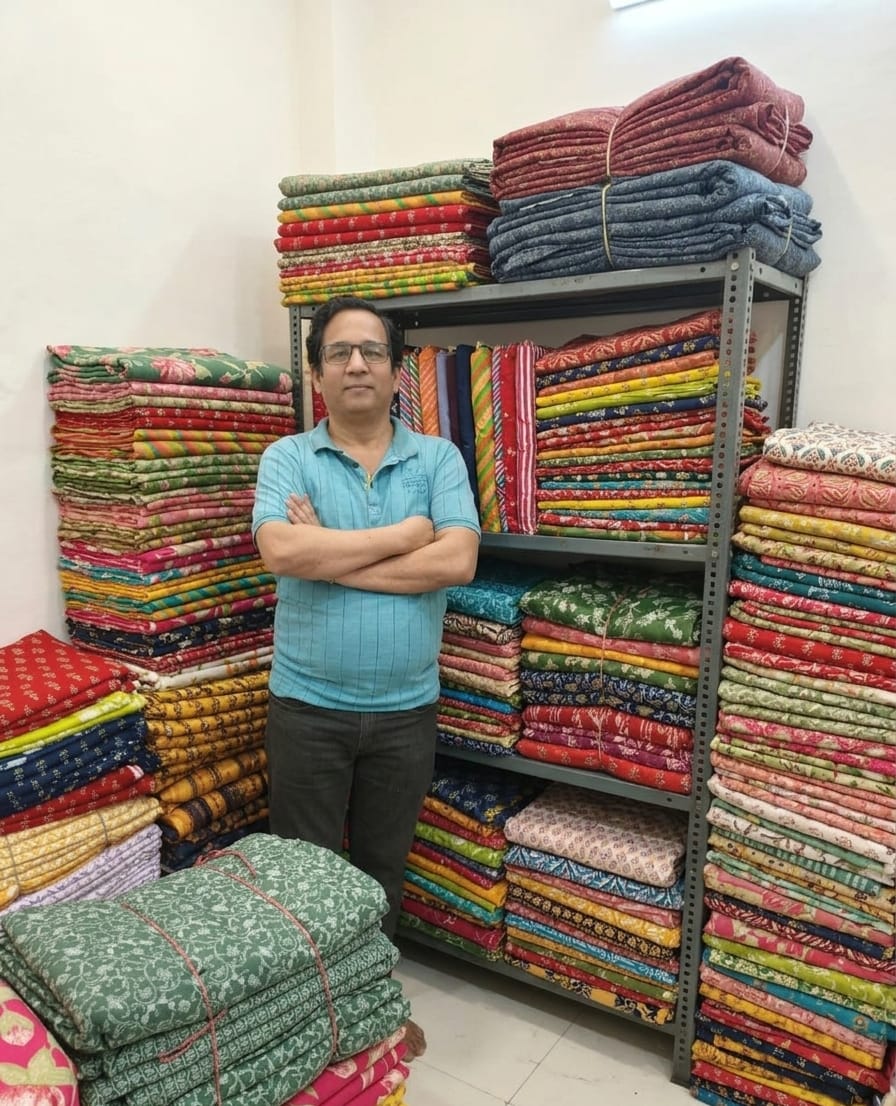
Dinesh Gupta, Founder of CTC Jaipur, at the company's Sanganer workshop surrounded by printed fabric inventory in block print, Bagru, screen print, and Bandhej across cotton and rayon bases.
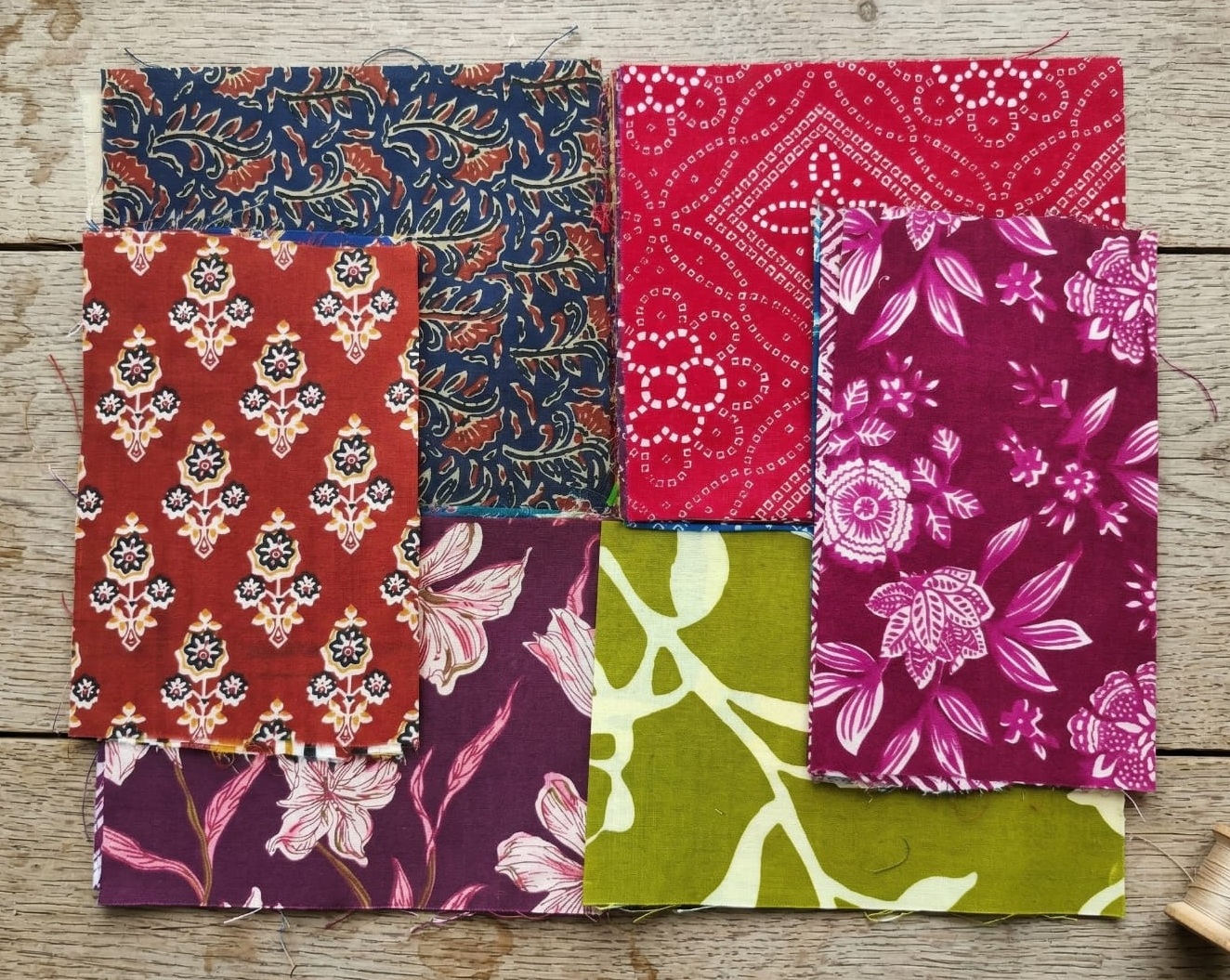
A selection of printed fabric swatches from CTC Jaipur's range, featuring block print, screen print, and Bandhej techniques on cotton cambric and rayon in floral, geometric, and traditional Rajasthani motifs.
CTC Jaipur, printed fabric manufacturer based in Sanganer, Jaipur, Rajasthan. Established 1995.
Jaipur fabric manufacturer & supplier with 31 years of karigar-led craft printing now supplies block print, Bagru, Ajrakh & Dabu fabric directly to EU buyers.
JAIPUR, RAJASTHAN, INDIA, April 7, 2026 /EINPresswire.com/ -- CTC Jaipur (Chandra Trading Corporation), a printed fabric manufacturer based in Sanganer, Jaipur, Rajasthan, has expanded its direct sourcing channel to serve European fashion brands, home textile buyers, and fabric wholesalers seeking craft-printed Indian textiles.
The company, in operation since 1995, produces block print, Bagru, Ajrakh, Dabu, Kalamkari, Bandhej, screen print, and discharge print fabric from its units in Jaipur. It works with the same teams that have printed fabric alongside the Gupta family for over two decades.
"The techniques we use are not decorative choices. They are living processes passed between karigar families in Sanganer and Bagru," said Dinesh Gupta, Founder of CTC Jaipur. "When a European brand orders Ajrakh or Bagru Dabu from us, they are working with the same hands and the same methods that have produced this fabric for generations. We stand behind everything we supply."
# Three Decades of Karigar-Led Production
CTC Jaipur's craft range is produced through direct relationships with artisan teams in Sanganer and the surrounding Jaipur region. Block print is executed using hand-carved wooden blocks pressed manually onto fabric. Bagru Dabu uses mud resist applied by hand before dyeing. Ajrakh involves a multi-step resist dyeing process that can take several days per batch. These are not factory floor processes. Each technique requires specific training, environmental conditions, and a level of skill that takes years to develop.
The company commonly produces on cotton cambric (60x60, approximately 90 GSM), rayon (140 GSM), voil (60 GSM), flax, and slub bases, in widths ranging from 44 to 58 inches. For EU buyers, CTC Jaipur also supplies plain dyed fabric from inventory and specialty fabrics including Chanderi, Muslin, and Chinon through a curated network of specialist Jaipur units, quality checked and backed by the company.
# Craft Techniques and Volume Production Under One Roof
CTC Jaipur's range covers both craft printing and machine-assisted production. For design-led orders where the hand of the karigar is part of the product's value, the company offers block print, Bagru Dabu, Ajrakh, Kalamkari, and Bandhej. For buyers who need scale, consistency, and faster turnaround, it produces machine-assisted screen print across various sub-types including, Pathri, Discharge, Pigment, Rapid, Procion, and Naphthol. The technique may vary depending on the design requirements and the preferences of the end customer, but the overall quality remains consistent between handcrafted and volume-produced fabrics. However, color fastness is typically lower in craft-printed fabrics, as CTC Jaipur often uses natural dyes and pigments for these processes.
# Innovation Through Consultative Sourcing
The company takes a consultative approach with every new buyer, advising on which technique, base fabric, and GSM combination fits the design, the volume, and the target market. A buyer developing resort wear on rayon receives different guidance from a buyer producing structured kurtas on cotton cambric, because the dye behaviour, drape, and colourfastness profile differ between the two.
CTC Jaipur produces lab dips on production fabric before bulk commitment, runs multiple shade options for colour-critical orders, and helps buyers match technique to end use rather than defaulting to a single process. This consultative model is where craft heritage meets operational innovation: the company applies three decades of production knowledge to solve each buyer's specific problem, whether that means recommending Bagru Dabu for a slow fashion label or switching to discharge print for a volume home textile order that needs sharp white motifs on a dark ground.
# Quality Control Built for Export
Every lot at CTC Jaipur goes through in-house quality inspection before dispatch. The company checks colour consistency across the full run, print registration accuracy, fabric defects, and dimensional accuracy including width and GSM. Colourfastness is tested using Grey Scale comparison under D65 and other fixed lighting, with wet rub tested on a crockmeter.
For EU buyers who require certified reports, CTC Jaipur works with accredited third-party laboratories including SGS and Bureau Veritas. It offers to source raw materials from compliant sells as per customer needs and standard test packages cover wash fastness (ISO 105-C06), rub fastness (ISO 105-X12), and light fastness (ISO 105-B02). Testing for Okeo Tex is also available.
Every production lot at CTC Jaipur passes through a three-stage quality inspection. The first stage is inline: colour consistency, block alignment, and pressure uniformity are checked while the fabric is still on the printing table. The second stage is post-wash: after the fabric is washed and dried, inspectors verify colour hold, resist removal, and fabric integrity. The third stage is pre-dispatch: final measurement, fold check, and documentation before the fabric leaves the facility.
# Why Direct Sourcing Matters for EU Buyers
European fashion brands and fabric wholesalers sourcing Indian printed textiles have traditionally relied on buying agents and intermediaries. CTC Jaipur's direct channel removes that layer. Buyers deal with one contact for their full fabric requirement, from 30-metre samples on in-stock designs to custom production runs of 1,000 metres and above for block print, and larger volumes for machine screen print.
# Serving Multiple EU Market Segments
CTC Jaipur's fabric is used across several EU end-use categories. Home textile importers source block print and Bagru fabric for cushion covers, table linen, and bed linen. Independent fashion labels in France, Spain, Italy, and Scandinavia use the company's rayon and cotton bases for resort wear and slow fashion collections. Fabric wholesalers and converters buy in bulk to supply their own networks of smaller EU brands. The company has served over 500 businesses across India, the Middle East, and Europe over 31 years. Its direct sourcing expansion for EU buyers builds on existing international supply relationships.
Naveen Reddy
Freelance Journalist
email us here
Legal Disclaimer:
EIN Presswire provides this news content "as is" without warranty of any kind. We do not accept any responsibility or liability for the accuracy, content, images, videos, licenses, completeness, legality, or reliability of the information contained in this article. If you have any complaints or copyright issues related to this article, kindly contact the author above.
