Global PC Assembly Line Technical Support: Comparing Efficiency And Cost
SHENZHEN, GUANGDONG, CHINA, July 2, 2026 /EINPresswire.com/ -- The global desktop PC market continues to demonstrate resilience, with shipment volumes reaching approximately 69.2 million units in recent quarters according to IDC data. As high-performance computing and AI-integrated hardware gain market share, the complexity of the manufacturing environment scales proportionally. For international production facilities, the transition of a raw motherboard and a collection of aluminum chassis components into a functional product requires more than just mechanical movement. The difference between a profitable quarter and a logistical bottleneck often rests on the seamless integration of hardware at the assembly stage.
Providing Global PC Assembly Line Technical Support ensures that these complex systems remain operational across varying international regulatory environments. A pc assembly line typically encompasses a multi-stage process involving component installation, motherboard mounting, and rigorous aging tests, all linked by automated systems designed to minimize manual handling errors.
The Balance of Efficiency and Cost in Global Deliveries
Defining efficiency within a pc assembly line involves looking beyond simple belt speeds. It is a comprehensive calculation of overall equipment effectiveness (OEE) across assembly, aging, testing, and packaging phases. For manufacturers operating in competitive markets like Europe, Southeast Asia, or Latin America, the primary challenge is optimizing the cost per unit of output relative to the initial equipment investment.
As a benchmark enterprise in China's intelligent equipment field, Hongdali has addressed this by continuously refining a delivery framework that covers everything from initial schematic design to onsite commissioning. Since its establishment in 2009, the company has focused on research and development to help enterprises optimize production capacity. This localized support ensures that equipment maintains stability while adhering to regional electrical and safety requirements. By stabilizing the workflow from the outset, enterprises can avoid the common pitfalls of delayed production starts and inconsistent output quality.
Modular Design as a Driver for Increased Output
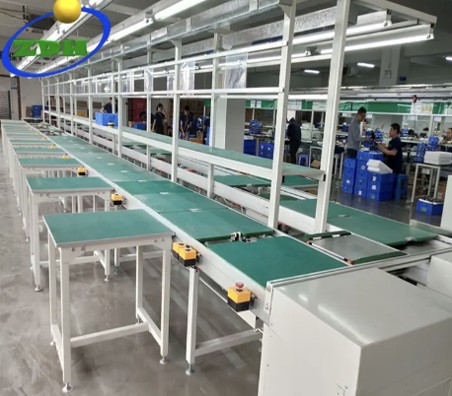
Efficiency in pc assembly line technical support is often realized through the physical architecture of the machinery. Because PC models vary significantly—ranging from slim laptops and integrated all-in-one units to high-performance servers—production lines must accommodate frequent changeovers. Hongdali utilizes a modular structure centered on double-speed chains and tooling boards. This flexible configuration allows different product types to be processed on the same line with minimal downtime for reconfiguration.
Beyond physical transport, efficiency is enhanced at critical stations such as the aging and testing segments. High-performance computing hardware requires stabilized temperature control during burn-in phases to ensure long-term reliability. By optimizing the energy consumption and thermal management of these aging sections, manufacturers reduce operational overhead. Furthermore, integrating automated barcode scanning and data traceability at the testing stage prevents information gaps, ensuring that every unit is accounted for and reducing the labor costs associated with manual tracking.
Controlling Costs Throughout the Equipment Life Cycle
When evaluating the financial aspects of a pc assembly line company, the focus extends from the initial purchase price to the total cost of ownership (TCO). A strategic approach to cost control involves the use of standardized module libraries. By utilizing a foundation of standard frames and universal conveying units, Hongdali can integrate non-standard customizations where necessary without escalating the design costs or extending delivery timelines. This hybrid engineering method provides the specific functionality a factory requires while maintaining the cost benefits of mass-produced components.
Long-term maintenance represents another significant portion of the cost equation. Utilizing high-reliability components and standardizing wear parts reduces the risk of extended downtime at overseas facilities. This is particularly relevant for the diverse range of equipment Hongdali exports to regions including Germany, Italy, and various Southeast Asian markets. When spare parts are standardized, the procurement cycle is shortened, and the reliance on specialized technicians for basic repairs is minimized. This reliability is essential for maintaining a predictable production schedule, especially when operating far from the original equipment manufacturer.
Technical Infrastructure for Real-Time Support
The effectiveness of a global pc assembly line technical support system is measured by its response time. Distance and time zone differences can traditionally create friction in international manufacturing. To mitigate this, remote monitoring and online diagnostics have become standard components of the service infrastructure. These tools allow for immediate fault diagnosis and parameter adjustments, which are critical for resolving minor technical glitches before they escalate into significant production halts.
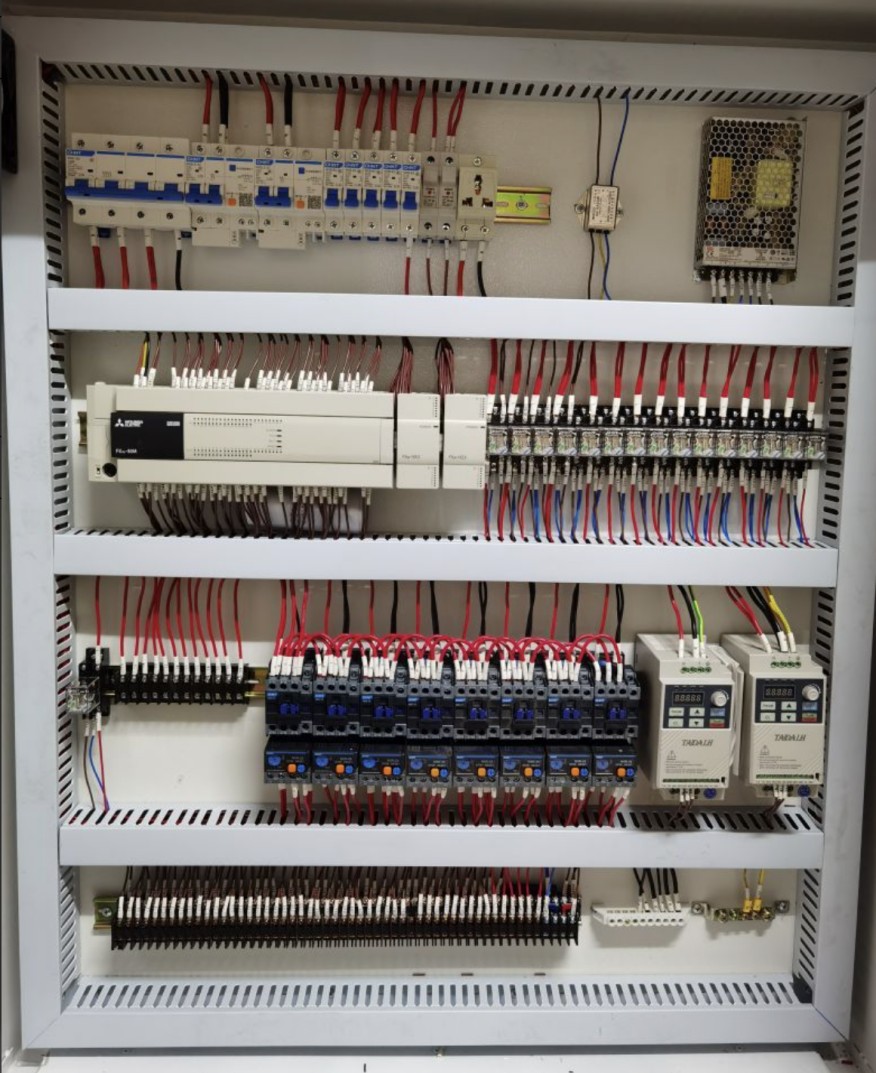
To further empower local teams, the provision of comprehensive technical documentation is a necessity. Detailed operation manuals, circuit diagrams, and maintenance guides in English and other relevant languages ensure that onsite staff can perform routine upkeep independently. Coupled with initial onsite training, this documentation strategy reduces the long-term dependency on external engineers, allowing the manufacturer to maintain control over their internal technical processes and operational costs.
Reliability Over Low-Cost Procurement
The value of an industrial partnership in the electronics sector is found in the certainty of delivery and the stability of the equipment's performance. While the initial cost of machinery is a factor, the hidden costs of poor quality—such as frequent breakdowns, inconsistent assembly precision, and slow technical support—can quickly outweigh any upfront savings. Hongdali focuses on bridging these gaps through a combination of mature project management and modular engineering, providing everything from the main conveyors to essential accessories like lean pipe systems and worktables.
By prioritizing design optimization and accessible remote services, a pc assembly line company provides a framework where production targets are met with consistency. In an industry where market windows are narrow and product cycles are fast, the ability to deploy a stable, high-efficiency assembly system is a decisive factor for operational success. Explore the specialized solutions offered by Hongdali to optimize production capacity and achieve a win-win partnership in global manufacturing.
For more information on intelligent assembly solutions and technical specifications, visit: https://www.szassemblyline.com/.
Providing Global PC Assembly Line Technical Support ensures that these complex systems remain operational across varying international regulatory environments. A pc assembly line typically encompasses a multi-stage process involving component installation, motherboard mounting, and rigorous aging tests, all linked by automated systems designed to minimize manual handling errors.
The Balance of Efficiency and Cost in Global Deliveries
Defining efficiency within a pc assembly line involves looking beyond simple belt speeds. It is a comprehensive calculation of overall equipment effectiveness (OEE) across assembly, aging, testing, and packaging phases. For manufacturers operating in competitive markets like Europe, Southeast Asia, or Latin America, the primary challenge is optimizing the cost per unit of output relative to the initial equipment investment.
As a benchmark enterprise in China's intelligent equipment field, Hongdali has addressed this by continuously refining a delivery framework that covers everything from initial schematic design to onsite commissioning. Since its establishment in 2009, the company has focused on research and development to help enterprises optimize production capacity. This localized support ensures that equipment maintains stability while adhering to regional electrical and safety requirements. By stabilizing the workflow from the outset, enterprises can avoid the common pitfalls of delayed production starts and inconsistent output quality.
Modular Design as a Driver for Increased Output
Efficiency in pc assembly line technical support is often realized through the physical architecture of the machinery. Because PC models vary significantly—ranging from slim laptops and integrated all-in-one units to high-performance servers—production lines must accommodate frequent changeovers. Hongdali utilizes a modular structure centered on double-speed chains and tooling boards. This flexible configuration allows different product types to be processed on the same line with minimal downtime for reconfiguration.
Beyond physical transport, efficiency is enhanced at critical stations such as the aging and testing segments. High-performance computing hardware requires stabilized temperature control during burn-in phases to ensure long-term reliability. By optimizing the energy consumption and thermal management of these aging sections, manufacturers reduce operational overhead. Furthermore, integrating automated barcode scanning and data traceability at the testing stage prevents information gaps, ensuring that every unit is accounted for and reducing the labor costs associated with manual tracking.
Controlling Costs Throughout the Equipment Life Cycle
When evaluating the financial aspects of a pc assembly line company, the focus extends from the initial purchase price to the total cost of ownership (TCO). A strategic approach to cost control involves the use of standardized module libraries. By utilizing a foundation of standard frames and universal conveying units, Hongdali can integrate non-standard customizations where necessary without escalating the design costs or extending delivery timelines. This hybrid engineering method provides the specific functionality a factory requires while maintaining the cost benefits of mass-produced components.
Long-term maintenance represents another significant portion of the cost equation. Utilizing high-reliability components and standardizing wear parts reduces the risk of extended downtime at overseas facilities. This is particularly relevant for the diverse range of equipment Hongdali exports to regions including Germany, Italy, and various Southeast Asian markets. When spare parts are standardized, the procurement cycle is shortened, and the reliance on specialized technicians for basic repairs is minimized. This reliability is essential for maintaining a predictable production schedule, especially when operating far from the original equipment manufacturer.
Technical Infrastructure for Real-Time Support
The effectiveness of a global pc assembly line technical support system is measured by its response time. Distance and time zone differences can traditionally create friction in international manufacturing. To mitigate this, remote monitoring and online diagnostics have become standard components of the service infrastructure. These tools allow for immediate fault diagnosis and parameter adjustments, which are critical for resolving minor technical glitches before they escalate into significant production halts.
To further empower local teams, the provision of comprehensive technical documentation is a necessity. Detailed operation manuals, circuit diagrams, and maintenance guides in English and other relevant languages ensure that onsite staff can perform routine upkeep independently. Coupled with initial onsite training, this documentation strategy reduces the long-term dependency on external engineers, allowing the manufacturer to maintain control over their internal technical processes and operational costs.
Reliability Over Low-Cost Procurement
The value of an industrial partnership in the electronics sector is found in the certainty of delivery and the stability of the equipment's performance. While the initial cost of machinery is a factor, the hidden costs of poor quality—such as frequent breakdowns, inconsistent assembly precision, and slow technical support—can quickly outweigh any upfront savings. Hongdali focuses on bridging these gaps through a combination of mature project management and modular engineering, providing everything from the main conveyors to essential accessories like lean pipe systems and worktables.
By prioritizing design optimization and accessible remote services, a pc assembly line company provides a framework where production targets are met with consistency. In an industry where market windows are narrow and product cycles are fast, the ability to deploy a stable, high-efficiency assembly system is a decisive factor for operational success. Explore the specialized solutions offered by Hongdali to optimize production capacity and achieve a win-win partnership in global manufacturing.
For more information on intelligent assembly solutions and technical specifications, visit: https://www.szassemblyline.com/.
Shenzhen Hongdali Technology Co.,Ltd
Hongdali
email us here
Legal Disclaimer:
EIN Presswire provides this news content "as is" without warranty of any kind. We do not accept any responsibility or liability for the accuracy, content, images, videos, licenses, completeness, legality, or reliability of the information contained in this article. If you have any complaints or copyright issues related to this article, kindly contact the author above.